



5 Workflow Upgrades That Cut Overhead and Protect Margins
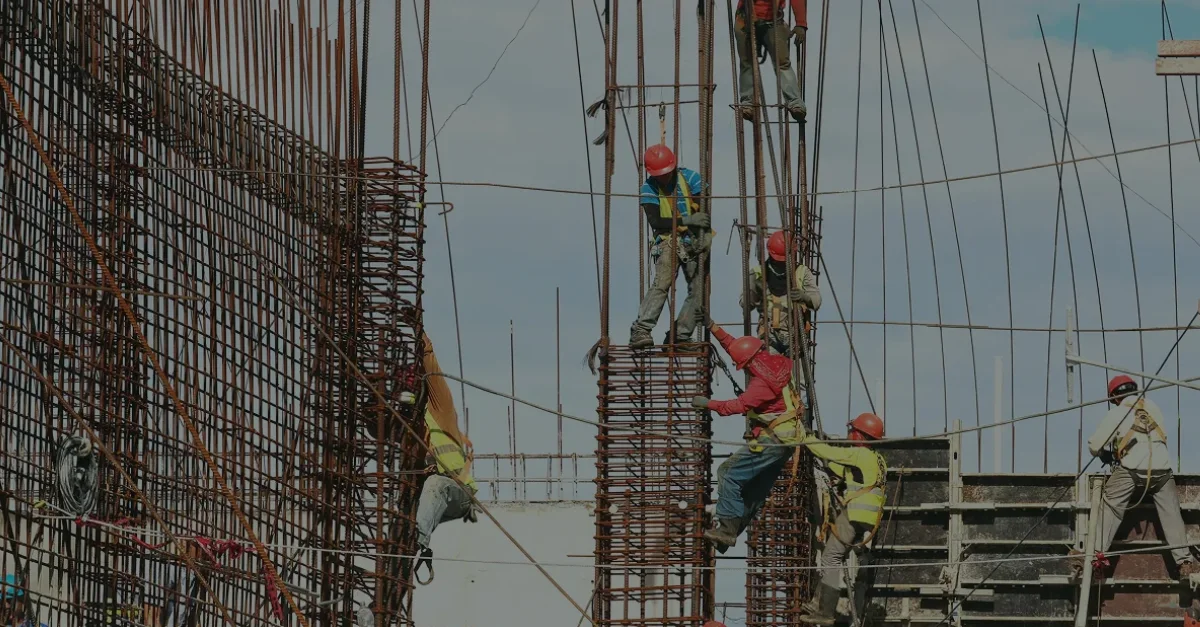
Construction professionals, big and small are finally demanding more from project management technology and supportive software. After decades of disconnected “feature” overload, add-on tools, and promised integrations that never happen; 2026 is shaping up to be the year contractors get disciplined about what technology actually works for construction professionals.
The market is shifting away from “more software features” and toward connected execution where schedules, budgets, field activity, and billing work together instead of fighting each other. With the help of predictive analytics and real-time updates management goes from reactive to proactive.
Here’s five, cost-effective ways smart construction professionals are cutting overhead, improving workflows and finally digitizing jobsites without the heavy price tag.
1. Construction Scheduling Software is Becoming the Backbone, Not just a Side Tool
In 2026, the construction scheduler is no longer just a static, planning artifact. It’s becoming the operational spine that everything else connects to.
Contractors are prioritizing scheduling software that:
- Reflects how work is actually sequenced in the field
- Connects milestones to progress tracking and billing
- Supports lookaheads without living in spreadsheets
The big shift. Schedules are no longer static documents and spreadsheets updated and uploaded once a week. They’re becoming living planning tools that operate in real-time and inform labor planning, OAC discussions, and closeout readiness. A schedule that cannot drive budget alignment, invoice accuracy, and T&M tracking is simply falling short of what modern construction demands.
2. Contractor Workflow Management Is Replacing Tool Sprawl
In 2026, to run a successful jobsite, contractors have:
- One tool for scheduling
- Another for RFIs and submittals
- Another for punchlists
- Another for billing & ERPs
- That’s 5 platforms/apps minimum per project
Creating more friction, work, and room for costly mistakes. The answer? A unified platform consolidated around contractor workflow management that syncs all jobsite operations in one place with real-time updates from the field.
What’s winning adoption & team buy-in:
- Shared, unified workflows across field, office, and finance in real-time
- Consistent structure, visibility, communication and accountability across projects and stakeholders
- Data-backed workflows with auditable logs and automated syncs
- Team feedback & input, no adoption = no ROI
This doesn’t mean everything has to integrate with everything else on day one or that you need to invest hundreds of thousands into a solution. It means workflows need to be aligned and real-time so progress and decisions don’t get lost in siloed systems.
3. OAC, Budgets, and Billing Are Finally Being Treated as One Conversation
Heading into 2026, leading contractors are using OACs as a forward-looking control point. That is streamlined rather than requiring hours of admin. Where schedule status, budgets, and billing stay aligned before issues turn into disputes approaches as needed, ensuring that the project remains on course and risks are consistently mitigated.
Instead of relying on static reports, high-performing teams ground OAC discussions in:
- Current schedule status, real-time updates, not outdated snapshots
- Budget alignment, tied to real, verified progress & field updates
- Approved change orders, clearly reflected in forecasts
- T&M activity from the field was documented, synced, and backed up digitally
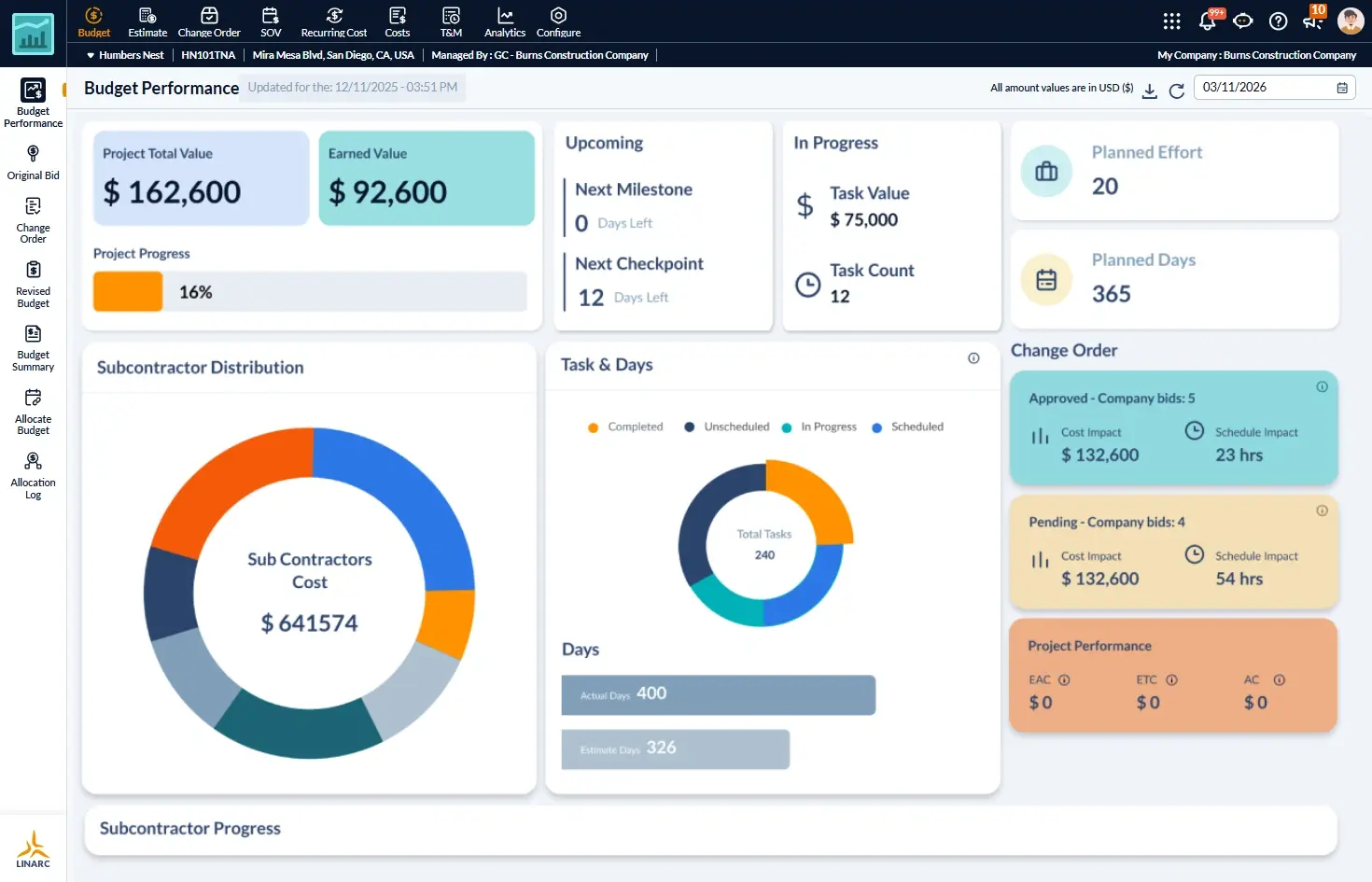
One of the biggest improvements smart contractors are making is connecting progress milestones to billing accuracy. Rather than scrambling to rebuild pay apps and invoices at month-end, teams are aligning percent complete with actual work performed, quantities installed against approved scopes, and budget line items with documented progress keeping billing accurate and audit-ready.
This shift reduces billing disputes, speeds up approvals, and protects margins, especially on complex commercial and civil construction projects. More importantly, it turns OAC meetings into proactive decision-making sessions instead of reactive explanations.
4. ERPs Are Staying, but Expectations Are Changing
After years of empty promises and features, most contractors in 2026 are realistic about ERP systems and their current functionality.
ERPs remain critical for accounting, payroll, compliance, and many other fiscal workflows required for a successful project. But construction contractors no longer expect ERPs to manage and safeguard day-to-day project execution.
Instead, the trend teams should be moving toward:
- Clean, structured, real-time project data upstream and visible
- Clear handoffs and communication from project controls to accounting (connecting the field to the office)
- Fewer manual workarounds and delays between field activity and financial systems
- Proactive issue mitigation by syncing finance with the schedule
The goal is not to replace financial tools, but to connect them. When field workflows integrate seamlessly with accounting, you get the best of both worlds. Data flows both ways, creating a single truth that keeps projects and profits aligned. The platforms that gain trust and profit are those that prepare data properly for accounting, maintain continuous real-time visibility, and connect.
T&M, Invoices, and Closeout Are Moving Earlier in the Process
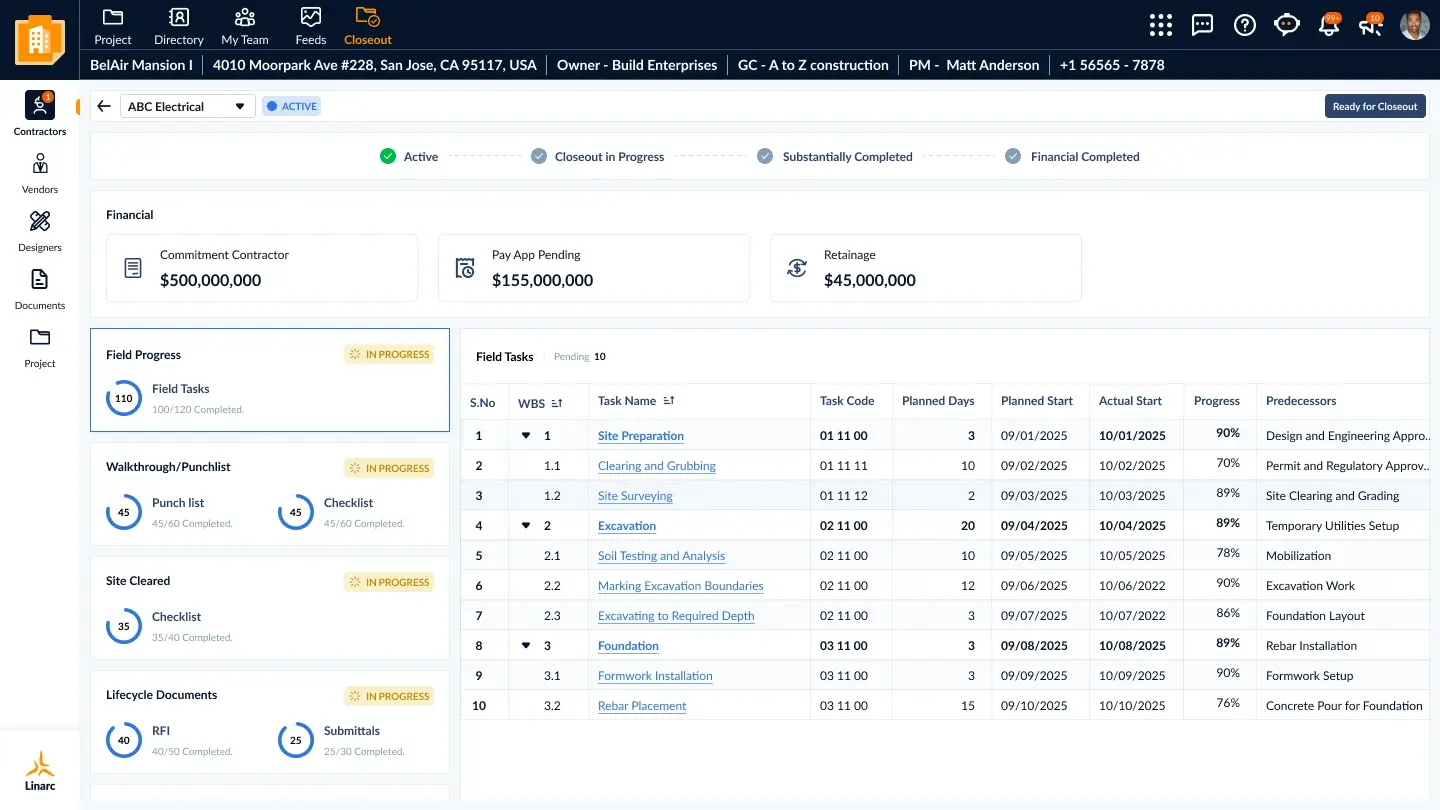
One of the clearest construction management trends heading into 2026 is that T&M tracking, invoicing, and project closeout are syncing and moving upstream. Instead of treating closeout as the last phase and end-of-project scramble, contractors are building proof continuously while work is happening.
Teams starting the shift are:
- Capturing T&M daily with context, reducing disputes and rebuilding work later
- Closing punchlist items continuously, instead of letting them pile up at the end
- Aligning invoices to verified, approved work, not estimates or assumptions
This proactive approach can help contractors:
- Eliminate end-of-project fire drills
- Speed up payment approvals and cash flow
- Reduce billing disputes and rework
- Protect margins on complex commercial and civil projects
The lesson contractors have learned the hard way is simple: when proof is built only at closeout, teams lose time, credibility, and negotiating power long before the final invoice, turning payment into a scramble instead of a formality.
What This Means for 2026-2027
By 2026, construction technology is no longer about who has the biggest budget and most features, it's about who has the cleanest connection and execution.
Construction professionals that continue to rely on fragmented tools, delayed visibility, and reactive workflows will feel increasing pressure as projects grow more complex, timelines compress, profit margins shrink, and owners demand faster answers. With better, backed-up documentation the margin for error and delays are shrinking; while eliminating hours or rework and admin entry time.
The contractors that pull ahead are the ones making a shift:
- From static plans to living schedules
- From siloed tools to aligned workflows
- From after-the-fact reporting to upstream control
- From end-of-project scrambling to continuous closeout readiness
In 2026, success won’t be defined by investing in the newest technology, it’s defined by actual adoption and use of the technology to; reduce friction, surface risk earlier, and keep teams aligned from the field to the office. The firms that treat schedules, budgets, OACs, and closeouts as one connected system will operate with more confidence, fewer surprises, and stronger margins.
Conclusion: Connected Control Beats Complexity
The construction industry has spent years chasing software promises: more shiny features, dashboards, integrations, and more tools. What 2026 is proving instead, is that control beats complexity.
The most successful contractors aren’t overhauling everything at once. They’re being disciplined and smart. They’re choosing systems that work the way construction teams actually work. They’re building proof as the job progresses, aligning teams around a shared plan, and making decisions before problems turn into disputes.
Technology is no longer the differentiator. Operational clarity is. As the industry moves forward, the question isn’t whether you’re using construction technology, it’s whether your schedules, workflows, budgets, and closeout process actually work together.
.webp)


.svg)

